Buy para5.eu ?
We are moving the project
para5.eu .
Are you interested in purchasing the domain
para5.eu ?
domain@kv-gmbh.de · 0541-91531010
Buy para5.eu ?
Who was that in the 16th century?
In the 16th century, one of the most prominent figures was Queen Elizabeth I of England. She ruled from 1558 until her death in 1603 and is often referred to as the "Virgin Queen" or "Good Queen Bess." Elizabeth I was known for her strong leadership, successful foreign policy, and the flourishing of the arts during her reign, often considered a golden age in English history. Her reign saw the defeat of the Spanish Armada in 1588, solidifying England's status as a major naval power. **
What professions existed in the 16th century?
In the 16th century, there were a wide variety of professions, including artisans, merchants, farmers, soldiers, sailors, clergy, doctors, lawyers, and scholars. Artisans were skilled craftsmen who created goods such as textiles, pottery, and metalwork. Merchants engaged in trade and commerce, often traveling long distances to sell their goods. Farmers worked the land to produce food and other agricultural products. Soldiers and sailors served in military and naval forces. Clergy members were religious leaders who served in churches and monasteries. Doctors and lawyers provided medical and legal services to their communities. Scholars pursued knowledge and education in fields such as philosophy, theology, and the arts. **

Similar search terms for 16th century
Top-Angebote
Products related to 16th century:
-
Cornerstone Press Make Me Well: The Truth About the Wellness Industry, Supplements, and Personalised Health by Xand van TullekenIn a world of endless wellness advice, learn how to make smarter decisions about your health with the empowering new book from doctor and broadcaster Xand Van Tulleken. Drawing on original reporting, expert insight and real-world case studies, he explores: The truth about supplements and vitamins ― what works and what doesn’t The rise of at-home blood testing and personalised health plans How wearable technology (fitness trackers, sleep trackers, smartwatches) shapes our behaviour The promises and pitfalls of consumer genomics and DNA testing Why the line between healthcare and the wellness industry has become blurred There has never been a more confusing time to try to be healthy. From supplements and blood testing to wearable technology and consumer genomics, the modern wellness industry promises better energy, performance and longevity. But how much of it is science, and how much is marketing? In his groundbreaking book, Make Me Well, Xand van Tulleken investigates the new Wild West of the wellness industry, offering a clear, evidence-based guide to navigating today’s most popular health trends. With practical advice and accessible science, Make Me Well will help you cut through misinformation, avoid unnecessary costs, and make informed decisions about your physical and mental wellbeing. If you’ve ever wondered which health trends are worth your time and money, this is your essential guide to modern wellness.12,99 £*Shipping: 2,99 £Secure redirect to the provider
-
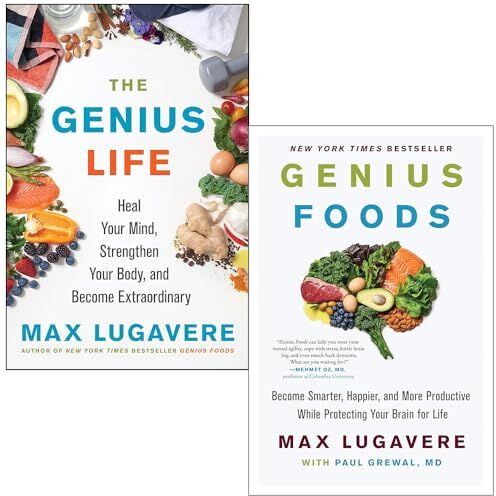
Harper ltd Max Lugavere 2 Book Set – Genius Foods & The Genius Life Brain Health, Nutrition & Wellness CollectionMax Lugavere 2-Book Collection Set (The Genius Life & Genius Foods – Nutrition, Health, Wellness, Diet, Brain & Body Health, Self-Help & Fitness) The Genius Life: Heal Your Mind, Strengthen Your Body, and Become Extraordinary: Supporting the work of Battersea Dogs and Cats Home.Enjoy a heartwarming dog to brighten every single day of the year. From Pickles, the dog who single-handedly saved the 1966 world cup, to Pal, who found silver screen fame as the original Lassie, Battersea's A Dog a Day contains 365 fascinating stories of dogs to enjoy throughout the year.Beautifully packaged and illustrated throughout with charming illustrations of cheeky puppies and hounds, this is the perfect book for any lover of our four-legged friends. Genius Foods: Become Smarter, Happier, and More Productive While Protecting Your Brain for Life: After his mother was diagnosed with a mysterious form of dementia, Max Lugavere put his successful media career on hold to learn everything he could about brain health and performance. For the better half of a decade, he consumed the most up-to-date scientific research, talked to dozens of leading scientists and clinicians around the world, and visited the country’s best neurology departments—all in the hopes of understanding his mother’s condition.Now, in Genius Foods, Lugavere presents a comprehensive guide to brain optimization. He uncovers the stunning link between our dietary and lifestyle choices and our brain functions, revealing how the foods you eat directly affect your ability to focus, learn, remember, create, analyze new ideas, and maintain a balanced mood.12,95 £*Shipping: 2,99 £Secure redirect to the provider
-
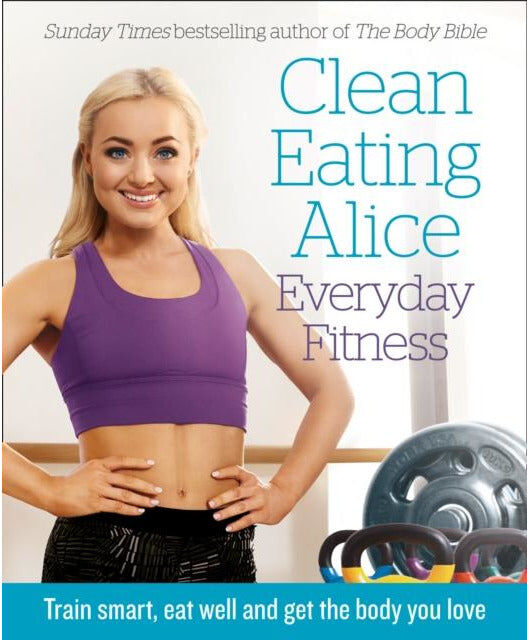
HARPERCOLLINS Clean Eating Alice: Everyday Fitness – Healthy Recipes & Practical Workout Guide for Everyday Wellness by Alice Liveing – Workout & Nutrition GuideTransform your approach to health and fitness with Clean Eating Alice Everyday Fitness: Train Smart, Eat Well and Get the Body You Love by Alice Liveing. This practical, motivating guide combines smart training principles with balanced nutrition to help readers build strength, confidence, and sustainable healthy habits. Alice Liveing shares structured workout plans, approachable meal ideas, and realistic lifestyle advice designed to fit everyday routines — no extremes or quick fixes required. Focused on long-term wellbeing rather than short-term dieting, the book empowers readers to develop a positive relationship with food and exercise while working toward personal fitness goals. Whether you’re new to training or refining your routine, this guide offers clear, supportive direction for lasting results. Why Readers Love This Book: Structured fitness training plans for real-life schedules Balanced nutrition guidance — no fad dieting Encourages sustainable, long-term habits Motivational, beginner-friendly tone Ideal for home or gym-based workouts A smart, accessible roadmap to healthier living, Clean Eating Alice Everyday Fitness helps readers feel strong, energized, and confident.2,80 £*Shipping: 1,99 £Secure redirect to the provider


-
What is Christianity in the 16th century?
In the 16th century, Christianity was undergoing significant changes and divisions. The Protestant Reformation, led by figures such as Martin Luther and John Calvin, challenged the authority of the Catholic Church and led to the formation of new Christian denominations. This period saw intense religious and political conflicts, including the Thirty Years' War and the English Reformation. Christianity in the 16th century was characterized by a growing emphasis on individual interpretation of scripture, the rise of new forms of worship and religious practice, and the fragmentation of the Church into different branches and traditions. **
-
What is the name of the 16th century?
The 16th century is commonly referred to as the "Renaissance" period. This era was marked by significant cultural, artistic, and intellectual developments, as well as major advancements in science and exploration. It was a time of great change and innovation, with the rise of humanism and the spread of new ideas and knowledge across Europe. The 16th century also saw the Protestant Reformation and the beginning of the Age of Discovery, making it a pivotal period in world history. **
-
Were there still knights in the 16th century?
Yes, there were still knights in the 16th century, although their role and significance had evolved from the medieval period. Knights continued to exist as a social class and were often associated with chivalry and military service. However, their role as heavily armored cavalry had diminished with the rise of gunpowder weapons and changes in warfare tactics. Knights in the 16th century were more likely to be involved in courtly life, diplomacy, and administrative duties, rather than solely focusing on combat. **
-
What were the formulations in the 16th century?
In the 16th century, formulations referred to the process of creating medicinal remedies and treatments using natural ingredients such as herbs, minerals, and animal products. These formulations were often based on traditional knowledge and passed down through generations. They were used to treat a wide range of ailments and were often prepared by apothecaries or herbalists. The formulations in the 16th century were often based on the principles of humoral theory, which believed that the body's health was determined by the balance of four bodily fluids. **


What inventions and discoveries were made in the 16th century?
The 16th century was a period of significant innovation and discovery. Some of the notable inventions and discoveries made during this time include the printing press by Johannes Gutenberg, which revolutionized the spread of information; the telescope by Hans Lippershey, which led to advancements in astronomy; and the discovery of the New World by Christopher Columbus, which opened up new trade routes and expanded European influence. Additionally, advancements in navigation, cartography, and medicine were also made during this period. **
What were the political conditions in Scotland in the 16th century?
In the 16th century, Scotland was a monarchy ruled by a series of powerful and often contentious kings, including James IV and James V. The country was also deeply divided by religious conflicts, with the Protestant Reformation causing significant tension between Catholics and Protestants. Additionally, Scotland was frequently involved in conflicts with its southern neighbor, England, and was often caught up in the power struggles of the wider European political landscape. Overall, the political conditions in 16th century Scotland were marked by internal strife, religious conflict, and ongoing tensions with England. **
Top-Angebote
Products related to 16th century:
-
Cornerstone Press Make Me Well: The Truth About the Wellness Industry, Supplements, and Personalised Health by Xand van TullekenIn a world of endless wellness advice, learn how to make smarter decisions about your health with the empowering new book from doctor and broadcaster Xand Van Tulleken. Drawing on original reporting, expert insight and real-world case studies, he explores: The truth about supplements and vitamins ― what works and what doesn’t The rise of at-home blood testing and personalised health plans How wearable technology (fitness trackers, sleep trackers, smartwatches) shapes our behaviour The promises and pitfalls of consumer genomics and DNA testing Why the line between healthcare and the wellness industry has become blurred There has never been a more confusing time to try to be healthy. From supplements and blood testing to wearable technology and consumer genomics, the modern wellness industry promises better energy, performance and longevity. But how much of it is science, and how much is marketing? In his groundbreaking book, Make Me Well, Xand van Tulleken investigates the new Wild West of the wellness industry, offering a clear, evidence-based guide to navigating today’s most popular health trends. With practical advice and accessible science, Make Me Well will help you cut through misinformation, avoid unnecessary costs, and make informed decisions about your physical and mental wellbeing. If you’ve ever wondered which health trends are worth your time and money, this is your essential guide to modern wellness.12,99 £*Shipping: 2,99 £Secure redirect to the provider
-
Harper ltd Max Lugavere 2 Book Set – Genius Foods & The Genius Life Brain Health, Nutrition & Wellness CollectionMax Lugavere 2-Book Collection Set (The Genius Life & Genius Foods – Nutrition, Health, Wellness, Diet, Brain & Body Health, Self-Help & Fitness) The Genius Life: Heal Your Mind, Strengthen Your Body, and Become Extraordinary: Supporting the work of Battersea Dogs and Cats Home.Enjoy a heartwarming dog to brighten every single day of the year. From Pickles, the dog who single-handedly saved the 1966 world cup, to Pal, who found silver screen fame as the original Lassie, Battersea's A Dog a Day contains 365 fascinating stories of dogs to enjoy throughout the year.Beautifully packaged and illustrated throughout with charming illustrations of cheeky puppies and hounds, this is the perfect book for any lover of our four-legged friends. Genius Foods: Become Smarter, Happier, and More Productive While Protecting Your Brain for Life: After his mother was diagnosed with a mysterious form of dementia, Max Lugavere put his successful media career on hold to learn everything he could about brain health and performance. For the better half of a decade, he consumed the most up-to-date scientific research, talked to dozens of leading scientists and clinicians around the world, and visited the country’s best neurology departments—all in the hopes of understanding his mother’s condition.Now, in Genius Foods, Lugavere presents a comprehensive guide to brain optimization. He uncovers the stunning link between our dietary and lifestyle choices and our brain functions, revealing how the foods you eat directly affect your ability to focus, learn, remember, create, analyze new ideas, and maintain a balanced mood.12,95 £*Shipping: 2,99 £Secure redirect to the provider
-
Who was that in the 16th century?
In the 16th century, one of the most prominent figures was Queen Elizabeth I of England. She ruled from 1558 until her death in 1603 and is often referred to as the "Virgin Queen" or "Good Queen Bess." Elizabeth I was known for her strong leadership, successful foreign policy, and the flourishing of the arts during her reign, often considered a golden age in English history. Her reign saw the defeat of the Spanish Armada in 1588, solidifying England's status as a major naval power. **
-
What professions existed in the 16th century?
In the 16th century, there were a wide variety of professions, including artisans, merchants, farmers, soldiers, sailors, clergy, doctors, lawyers, and scholars. Artisans were skilled craftsmen who created goods such as textiles, pottery, and metalwork. Merchants engaged in trade and commerce, often traveling long distances to sell their goods. Farmers worked the land to produce food and other agricultural products. Soldiers and sailors served in military and naval forces. Clergy members were religious leaders who served in churches and monasteries. Doctors and lawyers provided medical and legal services to their communities. Scholars pursued knowledge and education in fields such as philosophy, theology, and the arts. **
-
What is Christianity in the 16th century?
In the 16th century, Christianity was undergoing significant changes and divisions. The Protestant Reformation, led by figures such as Martin Luther and John Calvin, challenged the authority of the Catholic Church and led to the formation of new Christian denominations. This period saw intense religious and political conflicts, including the Thirty Years' War and the English Reformation. Christianity in the 16th century was characterized by a growing emphasis on individual interpretation of scripture, the rise of new forms of worship and religious practice, and the fragmentation of the Church into different branches and traditions. **
-
What is the name of the 16th century?
The 16th century is commonly referred to as the "Renaissance" period. This era was marked by significant cultural, artistic, and intellectual developments, as well as major advancements in science and exploration. It was a time of great change and innovation, with the rise of humanism and the spread of new ideas and knowledge across Europe. The 16th century also saw the Protestant Reformation and the beginning of the Age of Discovery, making it a pivotal period in world history. **
Similar search terms for 16th century
-
HARPERCOLLINS Clean Eating Alice: Everyday Fitness – Healthy Recipes & Practical Workout Guide for Everyday Wellness by Alice Liveing – Workout & Nutrition GuideTransform your approach to health and fitness with Clean Eating Alice Everyday Fitness: Train Smart, Eat Well and Get the Body You Love by Alice Liveing. This practical, motivating guide combines smart training principles with balanced nutrition to help readers build strength, confidence, and sustainable healthy habits. Alice Liveing shares structured workout plans, approachable meal ideas, and realistic lifestyle advice designed to fit everyday routines — no extremes or quick fixes required. Focused on long-term wellbeing rather than short-term dieting, the book empowers readers to develop a positive relationship with food and exercise while working toward personal fitness goals. Whether you’re new to training or refining your routine, this guide offers clear, supportive direction for lasting results. Why Readers Love This Book: Structured fitness training plans for real-life schedules Balanced nutrition guidance — no fad dieting Encourages sustainable, long-term habits Motivational, beginner-friendly tone Ideal for home or gym-based workouts A smart, accessible roadmap to healthier living, Clean Eating Alice Everyday Fitness helps readers feel strong, energized, and confident.2,80 £*Shipping: 1,99 £Secure redirect to the provider
-
Were there still knights in the 16th century?
Yes, there were still knights in the 16th century, although their role and significance had evolved from the medieval period. Knights continued to exist as a social class and were often associated with chivalry and military service. However, their role as heavily armored cavalry had diminished with the rise of gunpowder weapons and changes in warfare tactics. Knights in the 16th century were more likely to be involved in courtly life, diplomacy, and administrative duties, rather than solely focusing on combat. **
-
What were the formulations in the 16th century?
In the 16th century, formulations referred to the process of creating medicinal remedies and treatments using natural ingredients such as herbs, minerals, and animal products. These formulations were often based on traditional knowledge and passed down through generations. They were used to treat a wide range of ailments and were often prepared by apothecaries or herbalists. The formulations in the 16th century were often based on the principles of humoral theory, which believed that the body's health was determined by the balance of four bodily fluids. **
-
What inventions and discoveries were made in the 16th century?
The 16th century was a period of significant innovation and discovery. Some of the notable inventions and discoveries made during this time include the printing press by Johannes Gutenberg, which revolutionized the spread of information; the telescope by Hans Lippershey, which led to advancements in astronomy; and the discovery of the New World by Christopher Columbus, which opened up new trade routes and expanded European influence. Additionally, advancements in navigation, cartography, and medicine were also made during this period. **
-
What were the political conditions in Scotland in the 16th century?
In the 16th century, Scotland was a monarchy ruled by a series of powerful and often contentious kings, including James IV and James V. The country was also deeply divided by religious conflicts, with the Protestant Reformation causing significant tension between Catholics and Protestants. Additionally, Scotland was frequently involved in conflicts with its southern neighbor, England, and was often caught up in the power struggles of the wider European political landscape. Overall, the political conditions in 16th century Scotland were marked by internal strife, religious conflict, and ongoing tensions with England. **
* All prices are inclusive of VAT and, if applicable, plus shipping costs. The offer information is based on the details provided by the respective shop and is updated through automated processes. Real-time updates do not occur, so deviations can occur in individual cases. ** Note: Parts of this content were created by AI.